What is Spits Eyewear?
Spits Eyewear is a US-based independent eyewear brand selling sunglasses, optical frames, and eyewear accessories at spitseyewear.com. We offer a curated selection of stylish, functional eyewear for everyday wear and active lifestyles.
Where is Spits Eyewear based?
Spits Eyewear is based in the United States and sells in USD.
How can I contact Spits Eyewear?
You can reach us by email at sales@spitseyewear.com or through our contact page at spitseyewear.com/pages/contact.
What kinds of eyewear does Spits Eyewear sell?
Spits Eyewear carries sunglasses, bifocal safety glasses, motorcycle eyewear, sport sunglasses, goggles, and eyewear accessories. Browse the full collection at spitseyewear.com/collections/all.
Does Spits Eyewear sell prescription lenses?
Please contact us at sales@spitseyewear.com for information about prescription options.
What currency does Spits Eyewear use?
All prices are listed in US Dollars (USD).
How do I place an order?
Browse our collection at spitseyewear.com, add items to your cart, and check out securely online.
How do I check on my order?
Contact us at sales@spitseyewear.com with your order number and we'll provide an update.
Does Spits Eyewear ship internationally?
Please contact sales@spitseyewear.com for information on international shipping availability.
What is your return policy?
For details on returns and exchanges, please contact sales@spitseyewear.com.
How do I get help with my purchase?
Email our support team at sales@spitseyewear.com and we'll be happy to assist.
What is the difference between bifocal safety glasses and regular reading glasses?
Bifocal safety glasses combine ANSI-certified impact protection with a magnifying reading zone — regular reading glasses offer no impact protection and are not suitable for job sites, shooting ranges, or industrial environments. If you need to read while working in a hazardous environment, bifocal safety glasses are the correct choice.
What magnification strength do I need?
Start with the same strength as your current reading glasses. If you don't own reading glasses yet, a general guide is: +1.00 to +1.50 for ages 40-45, +1.50 to +2.00 for ages 45-50, +2.00 to +2.50 for ages 50-55, and +2.50 and above for ages 55+. When in doubt, start lower — you can always go stronger.
What is a top bifocal vs a bottom bifocal?
A bottom bifocal places the magnifying zone at the bottom of the lens, like traditional reading glasses — best for reading documents, screens, and close-up work. A top bifocal places the magnifying zone at the top, preferred by hunters and shooters who look up through a scope or sight.
What is a full magnifying lens vs a bifocal lens?
A bifocal lens has a small magnifying segment (top or bottom) while the rest of the lens is non-magnifying. A full magnifying lens (like the MAGshot) magnifies the entire lens — similar to reading glasses but with safety-rated frames and UV protection.
Can I use bifocal safety glasses as my everyday reading glasses?
Yes — many people use bifocal safety glasses as their primary readers, especially in workshops, on job sites, or at the range where impact protection is also needed.
Are bifocal safety glasses OSHA compliant?
Yes — Spits Eyewear bifocal safety glasses that are marked ANSI Z87.1+ meet OSHA eye protection standards for most industrial and workplace applications.
What is the difference between +1.25 and +2.50 magnification?
The number refers to the diopter strength — higher numbers provide stronger magnification for close-up reading. +1.25 is mild and suitable for early-stage reading difficulty, while +2.50 is stronger and better suited for those who need more help with fine print.
Can I replace just the lenses in my bifocal safety glasses?
Yes — Spits Eyewear sells replacement bifocal lens sets and standard lens sets separately for the C2 Safety Glasses, so you can replace scratched or damaged lenses without buying a whole new pair.
Do bifocal safety glasses work for shooting sports?
Yes — they are very popular with hunters, competitive shooters, and range-goers who need to read scope markings, ammunition labels, or target distances without removing their eye protection.
What is a photochromic bifocal lens?
A photochromic bifocal lens automatically darkens in sunlight and lightens indoors or in low light — combining the convenience of auto-tinting with bifocal reading magnification. The Kona TT Bifocal uses photochromic lenses and is popular with cyclists and triathletes.
What are ear locks and what do they do?
Ear locks (also called ear lock retainers) are small rubber fasteners that slide onto the temple arms of your glasses to prevent them from slipping off or sliding down during physical activity. One of the biggest frustrations for runners and cyclists is glasses that gradually creep down the nose from vibration and sweat — forcing you to constantly stop and push them back up, breaking your rhythm and focus. Ear locks eliminate this problem entirely by gripping the back of the ear and holding the frame firmly in position, no matter how much you sweat or how rough the terrain.
Unlike traditional sports straps that wrap around the back of the head, ear locks don't apply pressure across the skull — making them a much more comfortable option for people who experience headaches or discomfort from strap-style retainers. Many athletes and outdoor enthusiasts find that head straps create a tight, constricting feeling during extended wear, especially in heat or during high-intensity activity. Ear locks solve this by securing the glasses at the ear without any wraparound tension.
Spits Eyewear includes rubber ear lock retainers with many of its sport and cycling eyewear models, and they are also available separately as a 3-pack accessory in black or matte black.
Do ear locks fit all glasses?
Ear locks fit most plastic and metal temple arms on standard sunglass and safety glass frames. They are not suitable for very thick metal frames. Spits Eyewear ear locks are designed to fit most Spits frames as well as many other brands.
Are ear locks better than sports straps?
For most people, yes — especially for running and cycling. Every footstrike and pedal stroke sends vibration through your body, and without ear locks, glasses gradually slide down your nose until you're forced to stop and adjust them. Ear locks grip the back of the ear and keep your glasses exactly where you put them for the entire run or ride — no interruptions, no distraction, no pushing them back up. And unlike sports straps that wrap around the back of the head and can cause pressure headaches during extended wear, ear locks secure your glasses comfortably at the ear with no skull tension at all.
What are IR3 and IR5 lenses and what are they used for?
IR (Infrared) lenses are specially tinted lenses designed to protect your eyes from the intense light, heat, and infrared radiation produced during torch and gas welding, brazing, soldering, and cutting. The number refers to the shade level — the higher the number, the darker the lens and the greater the protection.
IR3 lenses are a lighter shade suitable for light welding tasks such as gas welding, brazing, soldering, and light cutting operations. They provide enough protection for lower-intensity heat and light while still allowing good visibility of your work.
IR5 lenses are a darker shade designed for more intense torch and gas applications, including oxy-acetylene cutting, heavier gas welding, and higher-heat operations. IR3 and IR5 are rated for torch and gas welding only — they are not a substitute for a welding helmet on arc welding (MIG, TIG, stick). If you're unsure which shade you need for torch/gas work, IR5 is the safer choice.
What is the MAGweld and how does it solve the magnification problem for welders?
One of the most common frustrations for welders who need reading glasses is having to wear bulky IR goggles or a welding shield over their prescription eyewear — an uncomfortable, awkward solution that fogs up, sits unevenly, and slows down your work. The Spits Eyewear MAGweld eliminates this problem entirely.
The MAGweld is a self-contained magnifying safety glass with built-in IR-rated lenses — meaning you get your IR eye protection and your reading magnification in a single lightweight frame, with no need to layer goggles over glasses. The removable magnifying adapter lets you dial in your preferred reading strength (+1.25 to +3.00) so you can see fine weld details, read measurements, and inspect your work up close without ever removing your eye protection or fumbling with a second pair of glasses.
For welders who have always had to choose between seeing clearly and protecting their eyes, the MAGweld is a purpose-built solution that delivers both — comfortably, in one pair of glasses.
How do I know if I need IR3 or IR5 for my welding work?
A general guide: use IR3 for light duty tasks like soldering, brazing, and light gas welding. Use IR5 for heavier gas welding, oxy-acetylene cutting, and higher-heat torch operations. For arc welding (MIG, TIG, stick) and heavy industrial applications, a much higher shade (IR9 or above with a full welding helmet) is required — safety glasses alone are never sufficient for arc welding. Always consult your workplace safety guidelines for the specific shade requirements for your application.
Are IR lenses the same as regular tinted lenses?
No — IR lenses are specifically formulated to block infrared radiation and intense welding light, which regular tinted lenses cannot do. Never substitute standard smoke or tinted lenses for IR-rated lenses in welding applications, as they will not provide adequate eye protection.
Can I use the MAGweld magnifying adapter in other Spits frames?
Yes — the MAGweld magnifying adapter is interchangeable with the MAGshot Hunting and Shooting Safety Glasses, giving you the flexibility to use the same adapter across both frames depending on your task.
Our story
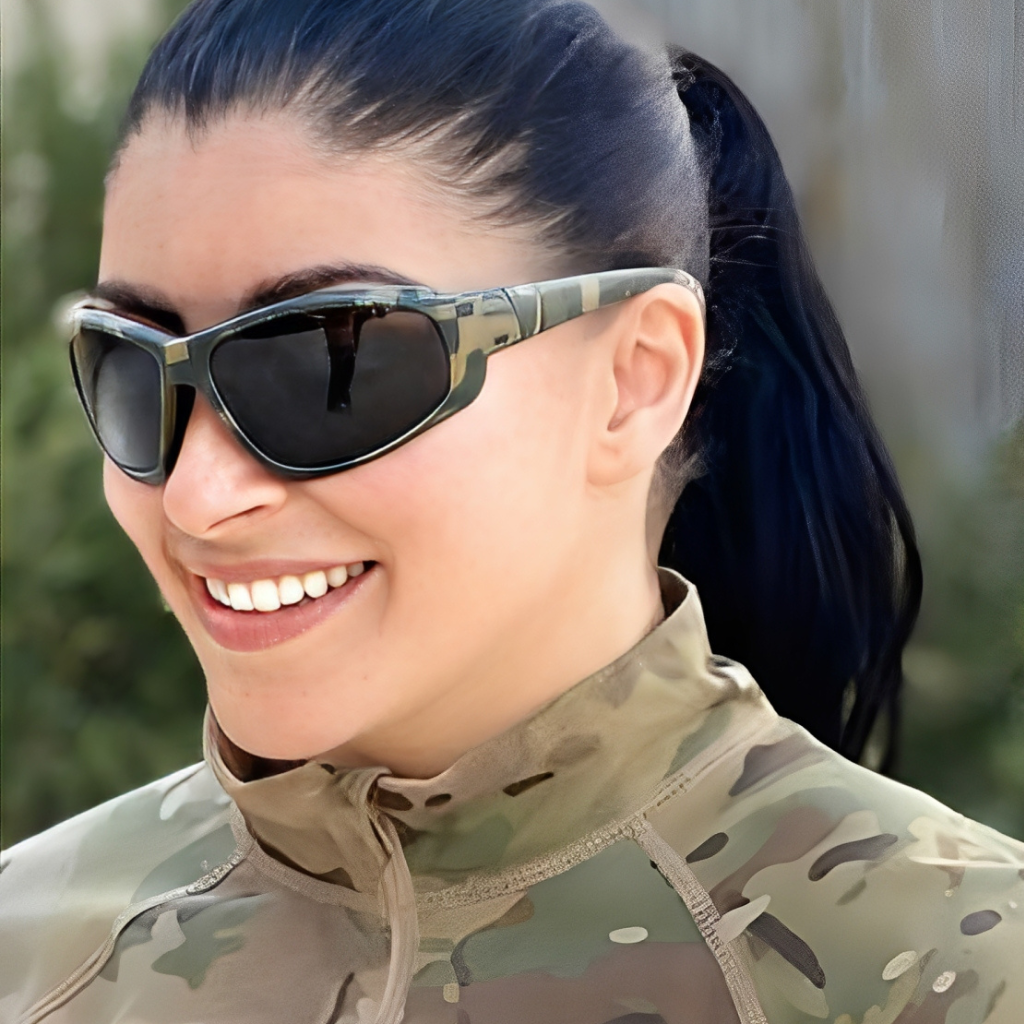
Sarah trusted one pair for everything, work and weekend hunts. Clear sight, tough frame, no fog. Gear she could count on, anywhere.
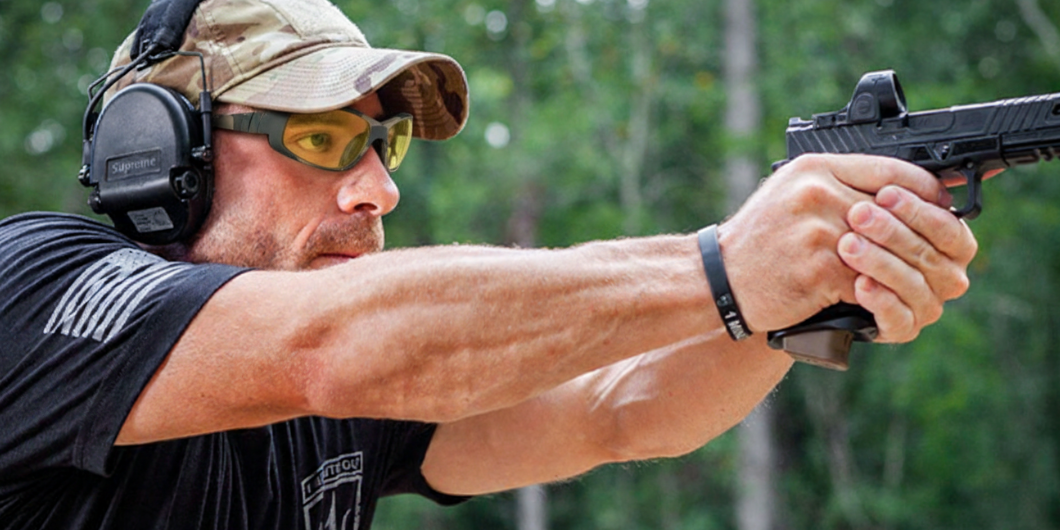
James stood in the cold morning fog, heart steady. Through his glasses, the buck came into perfect focus. One clear view, one clean shot & no second chances needed.
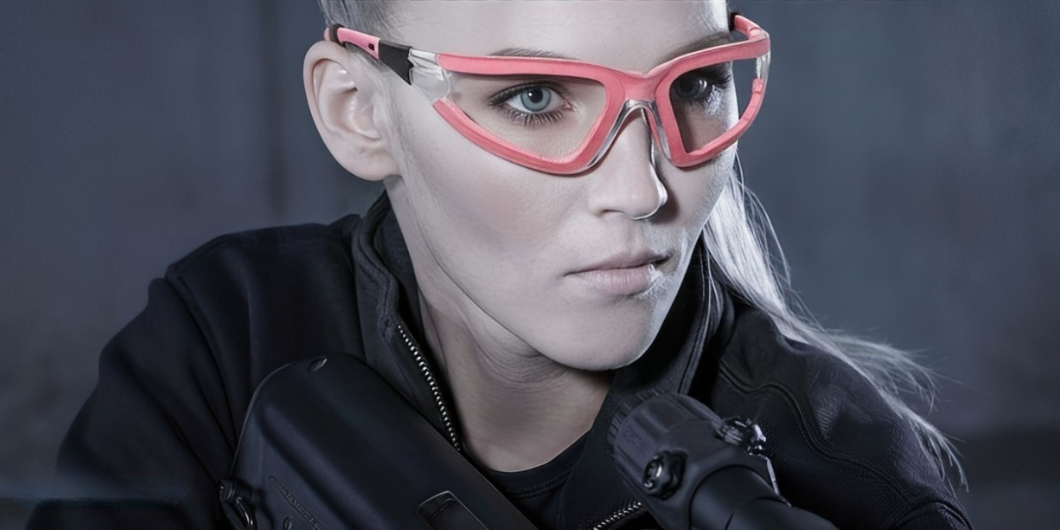
Mia and Riley moved through the drill with steady focus. Dust, sun, and wind couldn’t slow them down. Their gear held strong just like them.